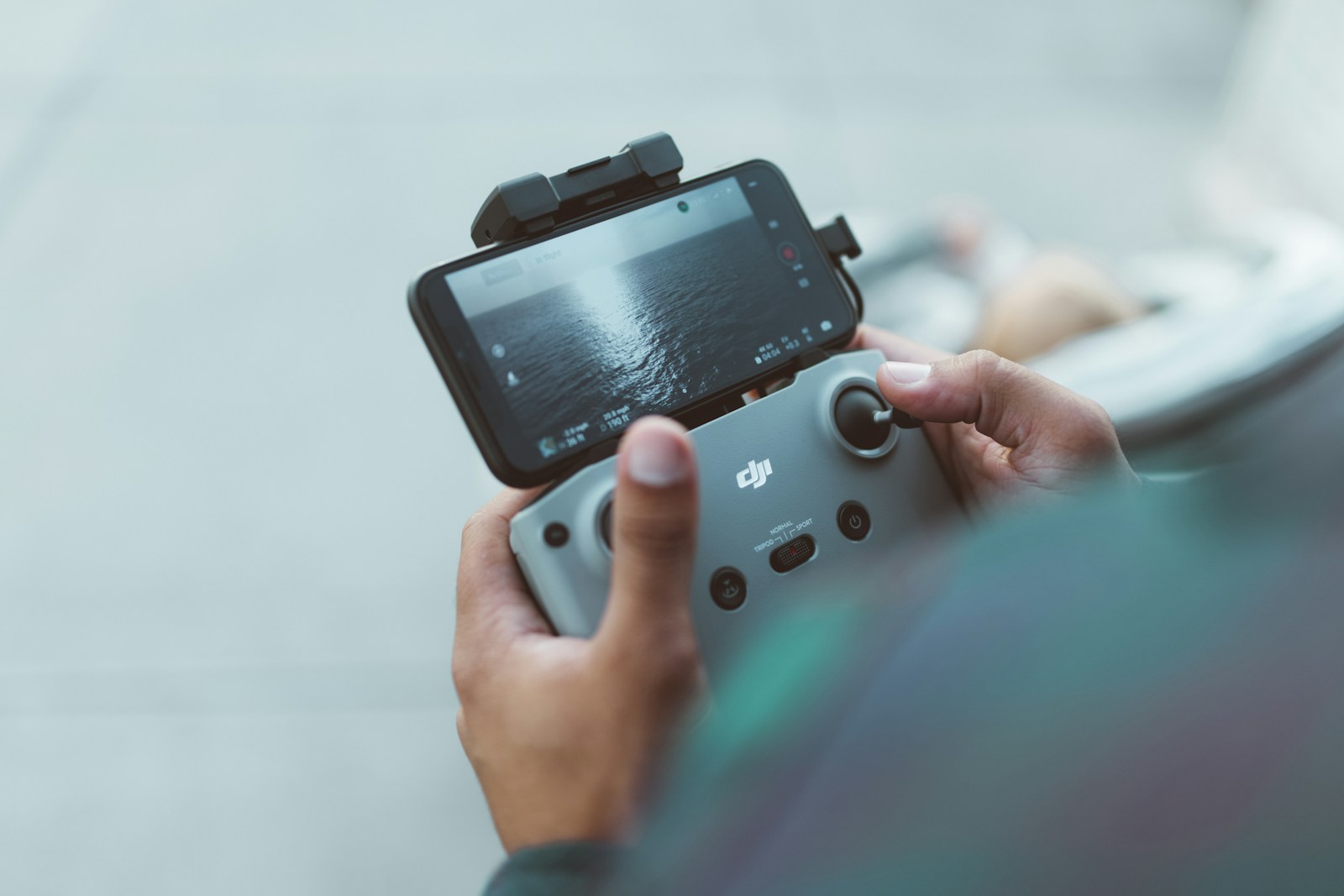
Drones are becoming more common over neighborhoods and can intrude on privacy, property interests, and security interests. You may be interested in homeowner drone laws if you’re a prospective hobbyist who wants to fly or a homeowner who doesn’t want to be monitored. The federal government controls airspace but not issues of privacy. The issues discussed herein are your rights and obligations regarding hobby drones.
FAA Regulations for Recreational Drone Flyers
The Federal Aviation Administration manages all U.S. airspace, including the airspace above your backyard. Under the FAA drone policy, recreational drone flyers must comply with certain rules outlined in the Exception for Recreational Flyers. These are rules for any individual flying a drone weighing over 0.55 pounds for recreational purposes only, i.e., for enjoyment.
Major FAA rules for hobbyists:
- Operate pilot drones between 0.55 and 55 pounds with the FAA
- Complete the Recreational UAS Safety Test (TRUST) and show evidence of the same
- Operate visually connected to the drone at all times
- Operate at or beneath 400 feet of uncontrolled airspace
- Never operate above people, moving vehicles, or in prohibited airspace
Drone aircraft must yield to manned planes, and pilots are not permitted to fly over emergency response sites, stadiums, or airports without prior authorization. Disobedience of FAA rules costs individual pilots a maximum of $1,446 for each violation. The FAA’s DroneZone web portal provides registration forms and helps pilots identify no-fly zones with the aid of tools like B4UFLY.
Read More: What to Do If You’re Injured by a Product or Service
Drone Privacy Rights and Property Laws
While the air is regulated by the FAA, privacy rights for drones are left up to state and local governments. What that leaves is a confused legal environment in which federal law makes it legally acceptable to fly drones over your property, but state law can make it illegal to use them to spy on your privacy or harass you.
Drone privacy laws have been adopted in over 40 states. They generally make it illegal to:
- Flight of drones in the air to photograph or video record people in private spaces without permission
- Observation of private property for criminal activity
- Utilization of drones to harass, intimidate, or stalk someone
For example, California, Florida, and Texas all have robust privacy statutes that criminalize the use of a drone for the purposes of taking a photo of a person or property they could reasonably expect to be private. So if somebody’s flying a drone around attempting to peer through your bedroom window or simply hovering above the swimming pool in your backyard, they’re probably going to be in violation of state privacy laws even if they’re complying with FAA altitude standards.
Read More: Neighbor Disputes: Fences, Trees, and Noise Complaints
What to Do If a Drone Is Spying or Trespassing
Most homeowners likely think that they can shoot or blast a drone hovering over their home, but this is against the law. You do not own the air above your house, and to damage someone’s drone is against federal law. Drones are viewed as aircraft by the FAA, so damaging one constitutes both a criminal offense and civil liability for the value of the drone.
Legal actions you can take against intrusive drones:
- Record the event in terms of date and time
- Attempt to locate the operator and ask them nicely to desist
- Call the local police department where there is evidence of a privacy law that is thought to have been violated
- Notify the FAA when federal law has been violated
- Seek the advice of an attorney regarding civil actions like nuisance or invasion of privacy claims
A few citizens have already sued drone flyers for trespass, invasion of privacy, or harassment under state tort law. You can sue for a civil lawsuit or a restraining order if you’ve got an invading low-flying drone on your property or taking intimate video. Local police also prosecute criminal invasions of state privacy acts, but they aren’t charged with enforcing FAA rules.
Protecting Your Rights While Following Airspace Laws
Drone laws for homeowners intersect with federal airspace regulations and state laws that protect privacy and property. If you’re flying recreationally, please respect all FAA regulations and the privacy of others. If you have a nuisance drone, record what happens and seek legal action, not vigilante justice.
Knowing these rules will help you maintain your privacy and ensure you are in good legal standing. Do you have a specific legal issue related to a drone incident? Consult with an attorney familiar with aviation law or state privacy laws.
Read More: How to Read and Understand HOA Rules Before You Buy