
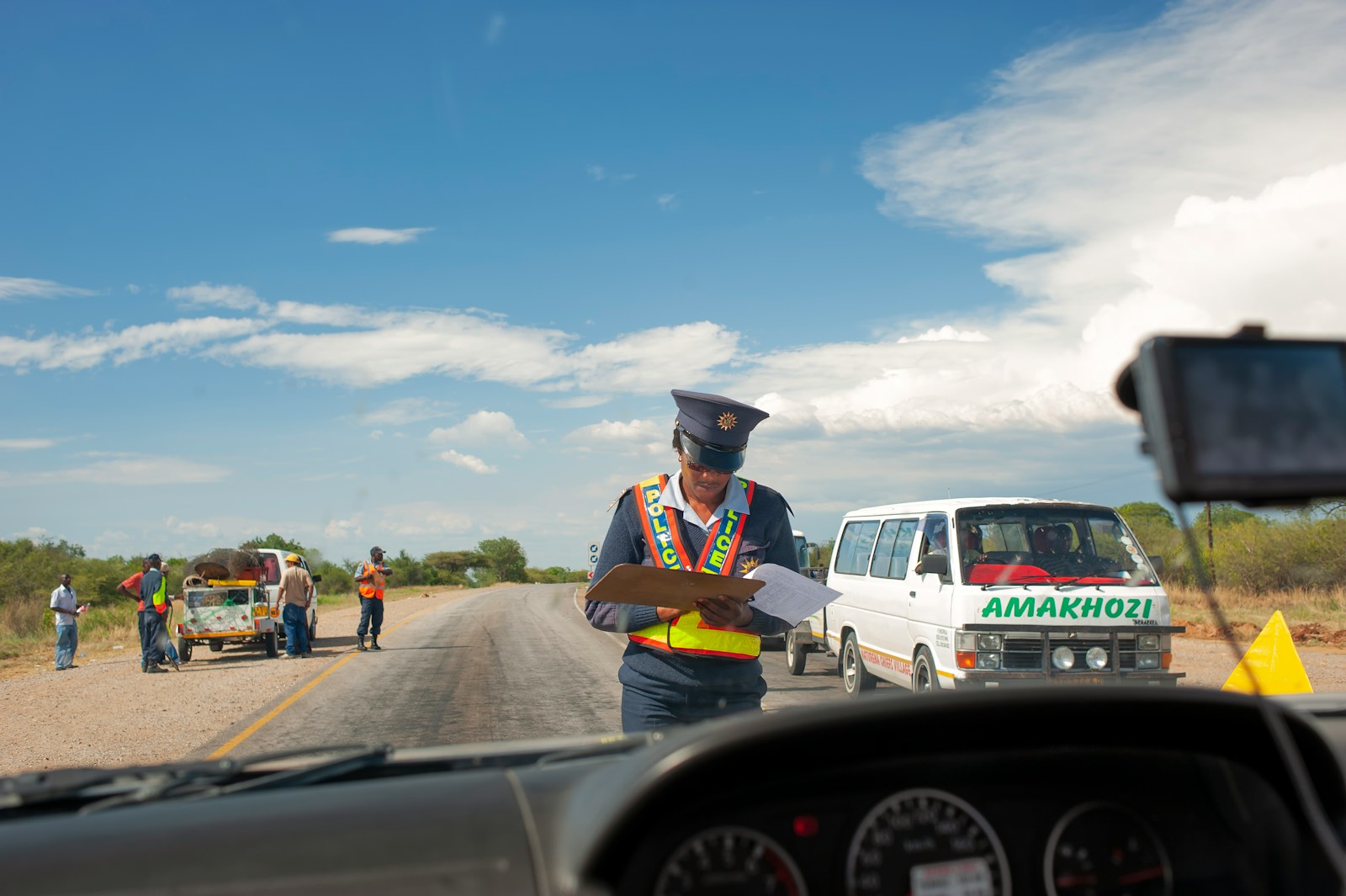
Getting pulled over by an officer can be frightening, especially if you’re unsure of what you can and cannot say or do. Knowing your rights during a police stop helps protect your safety and prevents you from saying something that could be used against you later. While officers are bound to keep interactions nonviolent, you can’t necessarily count on them to be so, so it’s better to be informed and be responsible for your own actions.
Traffic stops are where searches are likely to elicit some of the most common questions, as police usually need probable cause or your permission to search within your vehicle. Being aware of when to remain silent and how to deny consent for a legitimate reason can be a significant factor in protecting your privacy and rights.
What to Do Immediately When Stopped
If a cop flashes you to get out of the way, go as quickly and safely as possible. Shut down your motor, put your hands on the steering wheel, and don’t jerk around. Backing off or being cagey can make a not-so-good situation even worse.
Actions that help protect your safety and rights:
- Hand over your license, registration, and insurance card if asked—these are a legal requirement.
- You have the right to be silent and the right to have an attorney if arrested. In order to exercise your right, respectfully say, “I want to remain silent.”
- Keep your hands visible at all times and signal the officer first before reaching for any documents or items in the vehicle.
Stay calm and courteous. Your demeanor won’t alter your legal rights, but it could alter the outcome of the interaction.
Read More: What to Do If You’re Injured by a Product or Service
Understanding Search Rights and Consent
Police have the authority to search your car without your permission only when they have probable cause or some other legal rationale, such as investigating something illegal in plain view. Otherwise, they need your permission, and you can say no.
If a police officer asks to search your car, you can say:
“I will not give permission to search. Give me my ticket so I can go.”
This clear statement shows you’re exercising your Fourth Amendment rights. Routine traffic stops shouldn’t take more than about ten to fifteen minutes unless the officer has valid grounds for extending them.
Don’t do or say anything you might unintentionally be taken to mean as agreeing, such as holding doors open for you or asking you to demonstrate something. Police are legally allowed to pressure you or mislead you into agreeing, so remain calm and firm. And remember that anything you do say can be used against you later, including casual comments.
Read More: How to Contest a Traffic Ticket Without a Lawyer
Documentation and Follow-Up Actions
Once it happens, write down everything that comes to mind while it’s fresh. Fill in officer names, badge numbers, patrol car numbers, and anything else. If there were witnesses or cameras present, attempt to get that information as well.
Take pictures of your current location or your car in case of any damage, ticket, or arrest. If you believe your rights have been violated, contact a civil rights lawyer and file a complaint with the department’s internal affairs bureau. Dashcam or bystander video can be helpful evidence in the event of a controversy.
Protecting Your Constitutional Rights
Standing up for your rights during a police stop isn’t being stubborn—it’s the way you protect yourself through the law. Be patient, be assertive but respectful, and refuse to argue or physically struggle, even when you believe an officer is acting in error. Resisting physically at a stop can lead to additional charges or put you in harm’s way. All difficulties must be addressed later through the legal process.
Beforehand, learn key phrases like “I do not agree to a search” and “I want to stay silent.” Have your papers on hand and be reassured knowing these rights are available to protect everyone, not to be confrontational, but to ensure fairness when interacting with the police.”
Read More: Car Accidents: What to Do Legally Right After a Crash