
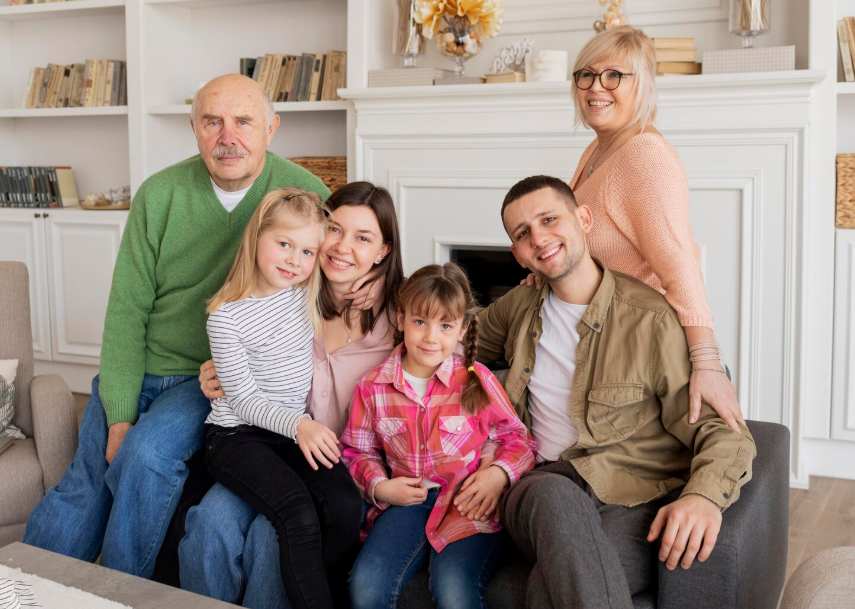
Blended families bring love and new beginnings, but they also add complexity to estate planning. When spouses bring children from previous relationships, questions about inheritance, guardianship, and asset distribution can become complicated quickly.
Without a clear plan, misunderstandings and disputes may arise, potentially leaving loved ones unprotected. By planning, blended families can create arrangements that honor everyone fairly and reduce future conflict.
The Unique Challenges of Blended Families
Unlike traditional families, blended families often include stepchildren, half-siblings, and multiple sets of parents or grandparents. Deciding who inherits what can be challenging, especially when spouses want to provide for both each other and their children from previous relationships.
Another challenge arises when one spouse passes away. Without proper planning, assets may automatically transfer to the surviving spouse, unintentionally excluding children from the first marriage. Custody of minor children can also become complicated if biological and step-parents disagree about care. These issues underscore why a standard alone will not be sufficient.
For more on estate documents, check out How to Add or Remove Someone From Your Deed Without a Lawyer.
Tools for Effective Planning
Fortunately, several tools can help blended families achieve fairness and clarity. Trusts are advantageous because they allow parents to specify how assets are divided and when beneficiaries receive them. For example, a trust can ensure a surviving spouse is supported while still guaranteeing that children from a previous marriage inherit certain assets.
Beneficiary designations on accounts, such as life insurance and retirement funds, should also be reviewed regularly. These designations override wills, so forgetting to update them after remarriage can result in unintended outcomes. Prenuptial or postnuptial agreements may also provide clarity about which assets are shared and which remain separate.
See Wills vs. Trusts: What’s the Difference and Which Should You Choose? for a deeper comparison.
Communication Is Key
Perhaps the most overlooked aspect of estate planning for blended families is open and effective communication. Having honest conversations about expectations can prevent conflicts later. Children may feel reassured knowing they are not being forgotten, and spouses can make sure their wishes align. While these discussions may be difficult, they often strengthen family bonds and make the legal process smoother.
Involving a qualified estate planning attorney adds another layer of protection. An attorney can help draft documents that comply with state laws and anticipate potential disputes before they happen.
Practical Steps to Get Started
The first step for blended families is to take an inventory of all assets, including homes, retirement accounts, savings, and personal property. From there, decide which assets should go to the surviving spouse and which should be earmarked for children from previous relationships. Writing down these intentions makes it easier for an attorney to draft clear, enforceable documents.
It’s also essential to revisit your plan regularly. Life events, such as remarriage, the birth of new children, or financial changes, can alter priorities. By updating your estate plan every few years, or after significant life changes, you can ensure your wishes always reflect your current circumstances and family dynamics.
The Bottom Line
Estate planning for blended families may seem complicated, but it doesn’t have to be overwhelming. By utilizing tools such as trusts, updating beneficiary designations, and maintaining open lines of communication, families can create plans that protect both spouses and their children.
With clear documents and regular updates, you can minimize conflict, provide peace of mind, and ensure your loved ones are cared for exactly as you intended.
For more on how inheritance works in the absence of clear documentation, see What to Do When Someone Dies Without a Will.