
Medical bills can accumulate quickly, and if left unpaid, debt collectors may begin contacting you. It’s stressful, but you have rights under federal and state law. Knowing how to handle debt collectors after a medical bill can help you stay calm, protect your finances, and assert your rights.
Know Your Rights Under the FDCPA
The Fair Debt Collection Practices Act (FDCPA) sets rules for how collectors can contact you. They cannot call you before 8 a.m. or after 9 p.m., threaten you, or use abusive language. They also cannot misrepresent the amount you owe or pretend to be government officials.
If you feel a collector has crossed the line, you can file a complaint with the Consumer Financial Protection Bureau (CFPB) or your state attorney general’s office. Documenting calls and keeping records strengthens your case if you need to report misconduct.
To better understand legal rights and responsibilities, see Debt Collection: What Collectors Can and Can’t Do.
Request Debt Validation
When a collector contacts you, you have the right to request written validation of the debt. This letter should state the amount owed, the name of the original creditor, and proof that the collector has the right to collect. You must request validation within 30 days of initial contact.
Until the debt is verified, the collector cannot continue collection efforts. If they cannot provide documentation, you may not have to pay at all. Always communicate in writing and retain copies of all correspondence.
See Collecting Unpaid Invoices Without Court Drama to protect yourself when managing financial obligations.
Explore Payment or Settlement Options
If the debt is valid, consider your repayment options. Some collectors will negotiate a reduced settlement if you can pay a lump sum. Others may offer payment plans. Be sure to get any agreement in writing before sending money.
Don’t agree to payments you can’t afford. Breaking a new payment plan can exacerbate the situation. Instead, be realistic and prioritize essential expenses, such as rent, food, and utilities, before tackling medical debt.
Protect Your Credit and Finances
Medical debt can impact your credit score if it’s reported to the credit bureaus. However, recent changes in credit reporting mean that paid medical collections must be removed, and unpaid debts under $500 may no longer appear on credit reports after a specific time.
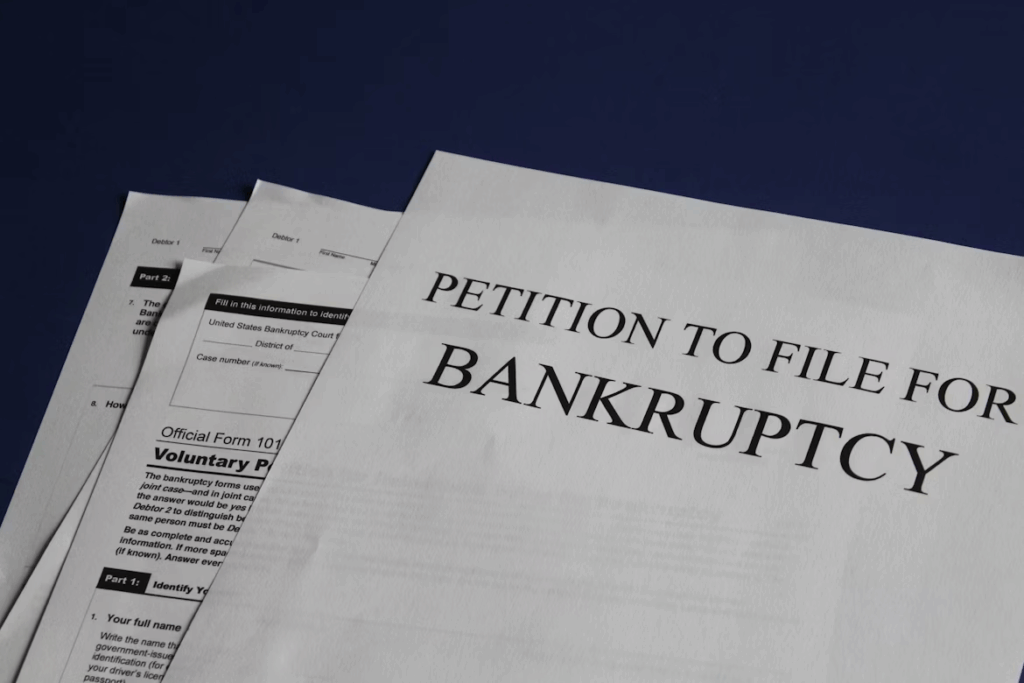
You may also have protections through nonprofit credit counselors or bankruptcy as a last resort. Understanding your options helps prevent medical debt from spiraling into long-term financial hardship.
Consider Professional Guidance if Needed
While you don’t need a lawyer to deal with debt collectors, professional advice can sometimes help. Nonprofit credit counselors can review your budget, negotiate with creditors, and suggest repayment strategies that won’t overwhelm you. They often provide these services at little or no cost, making them a safe first stop.
If your debt is massive or you’re facing lawsuits from collectors, consulting a bankruptcy attorney may also be worthwhile. Bankruptcy isn’t the right choice for everyone, but it can provide relief by stopping collection calls, freezing lawsuits, and giving you a fresh start. Knowing when to seek help is key to regaining financial stability.
For additional insight into legal financial planning, see Do You Need an LLC? Pros and Cons for Solo Entrepreneurs.
The Bottom Line
Medical debt collection is stressful, but you’re not powerless. By asserting your rights, requesting validation, and exploring realistic repayment options, you can prevent harassment and maintain control over your finances.
Don’t ignore collection notices. Instead, address them head-on and document every interaction. Seek help when needed. With the right approach, you can effectively manage medical debt and prevent it from negatively impacting your long-term financial health.